
Physical Activities and Mobility in Women: Strength, Mobility, and Vitality.
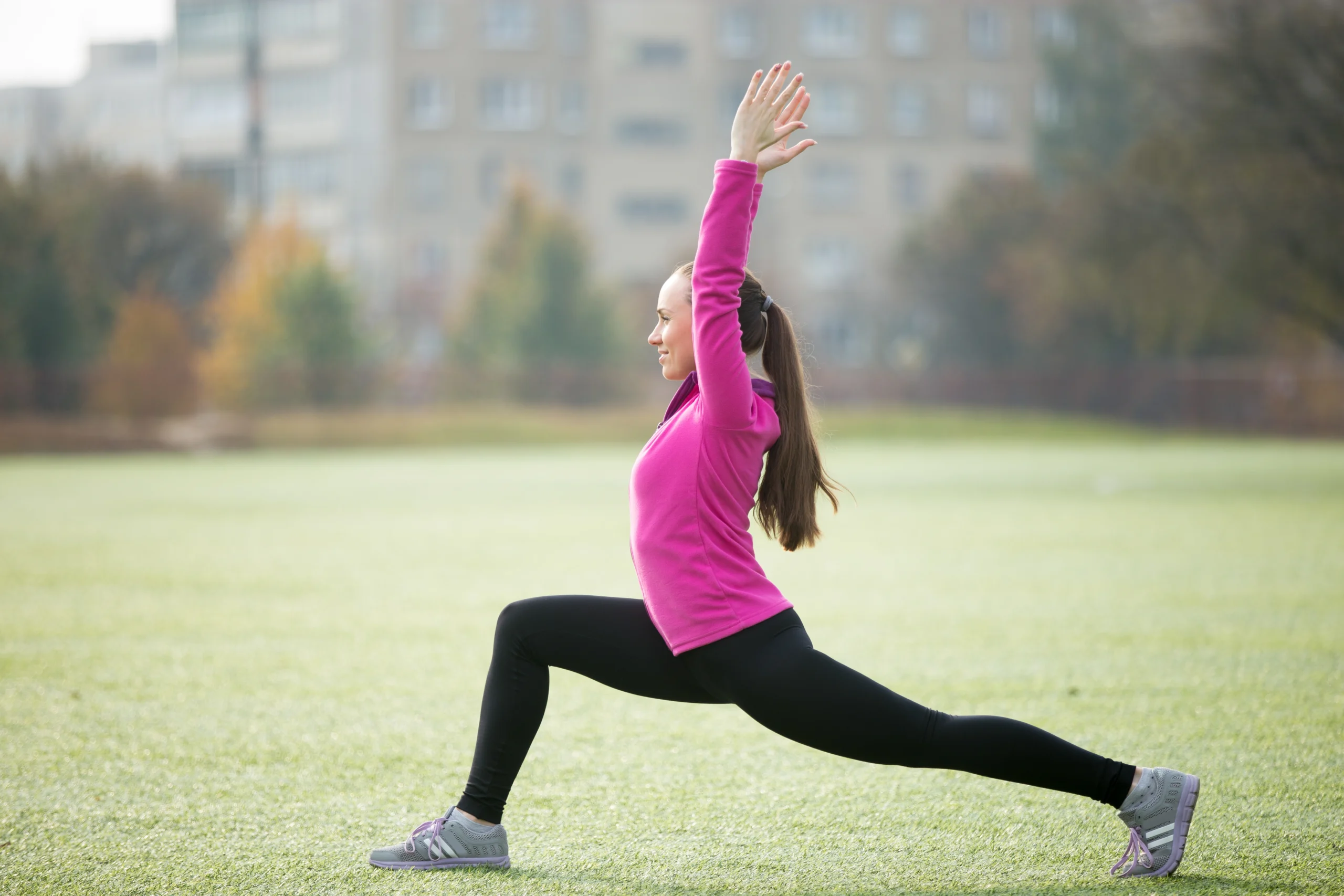
One of the most effective and easily available tools that can be used to promote the health of women is physical movement, which is, however, misunderstood, undervalued, or narrow-minded, concentrating primarily on the things of appearance or weight. As a matter of fact, movement has far more profound and significant purpose. It helps to make muscles stronger, joints more flexible, bone density better, cardiovascular system more effective, hormones well-balanced, metabolic system healthy and mood improved. The movement further affects posture, balance, coordination, digestion, quality of sleep and cognitive ability. When the women perceive movement as an internal assistance and not outward change, their attitude to physical activity becomes healthy and more sustainable. Movement is a self-respect, as opposed to self-punishment.
The responses of the bodies of women to movement are determined by the hormones, the stage of life, and the personal physiology. During menstrual cycle, pregnancy, postpartum period and menopause, the energy level, recovery capacity and physical sensation may differ. There are days when the body can be strong and energetic and there are days when it can be heavy or tired. This is because of understanding such natural fluctuations as women can change their movement practices. In more supporting days (energetic ones), less strenuous activity can become supportive. It is a loose method that eliminates the usual tendency to push and even collapse in fatigue.
Find the perfect montreal event venue space with top wedding venues montreal and explore montreal wedding venues to choose from the montreal best wedding venues for your special day in Montreal.
Movement is very important in maintaining muscle mass and strength. Without stimulation, the muscle tissue deteriorates with age. The strength-based movement helps the body to support and redefend muscle fibers. Powerful muscles maintain stability of the joints, the posture, and movement. They simplify the daily chores like lifting, carrying, standing and climbing. Movement is also closely associated with bone. Weight-bearing and resistance-based exercises exert mild exercise on bones, which causes the body to preserve bone mass. It is particularly relevant amongst women since the chances of risks in bone density decrease with age. Frequent exercise aids in safeguarding skeletal mass.
Exercise enhances the well-being of the cardiovascular system by reinforcing the heart and enhancing blood flow. The less efficient the heart is, the less effort it requires to pump the blood. The enhanced blood flow aids the provision of oxygen and nutrients to the body tissues and elimination of cellular waste. This helps in enhancing energy levels, sharper mind and physical stamina. With time, regular exercise may decrease the breathlessness in daily activities, as well as the overall stamina.
Hormonal balance also depends on the physical activity. Exercise also helps maintain blood sugar levels, increases insulin sensitivity and affects stress hormone levels. Sustainable stress can cause disruption of hormonal mechanisms, which lead to fatigue, change of moods, and metabolic imbalances. These inner influences are in most cases more crucial than the external physical transformations.
Mobility is very strong in mental and emotional wellbeing. Exercise prompts the secretion of neurotransmitters that facilitate a positive mood, decrease anxiety and enhance focus. Most women observe that a body shift can make them clear their minds, de-stress their emotions and feel a feeling of peace. Exercise may be a type of emotional processing, and the stress will be dissolved in the movement instead of accumulating within the internal body.
Green habits related to movement are developed slowly. Strict training and work routines are likely to result in injury or burnout. It is also about consistency rather than intensity. Varying intervals of short, regular practices are more effective than intermittent strenuous ones. Incorporating movement into everyday life, by walking, stretching and doing some light strength training, facilitates a long term adherence.
The mobility is a lifetime friend to the wellness of women.